What to do after sunrise
By 7 am most people are back in a van or a car, and the light that pulled them up the mountain has gone flat. The rest of the morning can hold a walk on cinders and a slow drive past silverswords, or nothing more ambitious than a long breakfast and a nap. How much of it you get depends on whether you drove yourself or booked a tour.
On a tour, the morning is already planned
Every van tour follows sunrise with the drive down and a breakfast. The differences lie in what happens in between.
- Valley Isle shows you more of the park and the ranch country beneath it after sunrise, then seats you at Maui Tropical Plantation for a plated breakfast with three choices, macadamia nut pancakes among them;
- Skyline also eats at the plantation, at Cafe O'Lei, with vegetarian and gluten-free options. One reviewer found the vegetarian plate thin;
- Polynesian comes down through the upcountry scenery of Kula, with silverswords on the way according to its Viator text, and serves breakfast at the same Cafe O'Lei in Waikapu before the hotel drop-off;
- Bike Maui drives you down to about 6,500 ft (1,980 m), outside the park, for the ride, then stops in Makawao for a no-host breakfast you pay for yourself. You are back at the Haiku shop around 10–10:30 am.
The van tours last about 8–10 hours in all, so most groups are back at their hotels late in the morning. Time at the top after sunrise is short. One Valley Isle reviewer had about 15 minutes, and a Bike Maui reviewer around 10. On a tour, the walks below are mostly for another day. If you want time at the summit, drive yourself or come back, and our tour or drive guide weighs that choice.
Down through Kula to breakfast
Polynesian has the largest review base of any sunrise tour here, and park admission is in the price. Breakfast at Cafe O'Lei in Waikapu comes before the drop-off. You can cancel for free up to 24 hours before.
A short walk at the summit
If you drove up Haleakala yourself, stay a while once the crowd leaves. The short Pa Kaʻoao trail starts by the visitor center and climbs a cinder hill with a view down into the crater. It is brief, but at this height a few minutes of uphill leave most people puffing.
The Sliding Sands trail is the serious one. It drops from near the summit down slopes of red and black cinder toward the crater floor, and the going feels easy on the way in. Every step down has to be climbed back at close to 10,000 ft, though, and the return takes far longer than the descent. Turn around well before you feel ready to, and carry more water than seems necessary. If anyone in your group felt the altitude at sunrise, our altitude guide explains why the climb out is the hard part.
Silverswords and nēnē on the way down
Crater Road has pullouts on the descent, and two of them deserve a stop. Kalahaku and Leleiwi overlooks each give another angle on the crater, and early in the day the low light still picks out its cinder cones. Our photography guide has tips for that side-light.
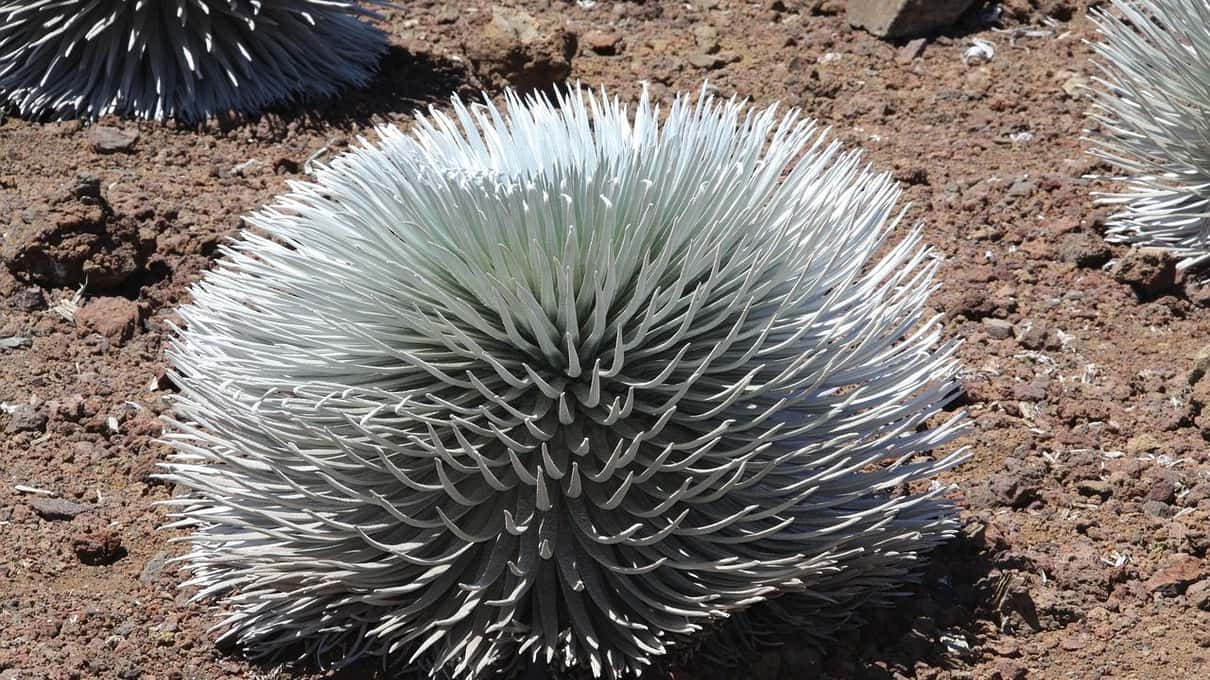
Look for the ʻāhinahina, the Haleakalā silversword, on the cinder slopes. It grows nowhere else on earth. Each plant lives for decades as a silver rosette, then sends up a single tall flower stalk and dies. Stay on the path, because the plants and the ground around them are easily damaged.
The nēnē, the Hawaiian goose and the state bird, wanders around parking areas and along the road as if it owned them. Never feed one. Birds that learn to approach people also approach cars, so drive slowly on the switchbacks and watch the verges.
Lower down, near the park entrance, Hosmer Grove has a short loop trail through a stand of planted trees. It is a good place to stretch your legs and listen for native forest birds before the drive out of the park.
Upcountry towns and farm country
Below the park, the Haleakala Highway runs through Kula, a farming district spread across the green slopes, with cooler air and long views over central Maui. Farm stands and gardens dot the district, and it makes a gentle drive for tired passengers.
Makawao is the old paniolo town, where Hawaiian cowboys once worked the surrounding ranches. Its main street of low wooden storefronts now holds shops and galleries, and it is where the bike tours stop for breakfast. Further down, Paia on the North Shore is a surf town with cafes and a busy little main road.
Paia is also the breakfast stop for Haleakala EcoTours' van tour at ~$287, which adds a 30-minute stop in Makawao on the way. The catch is the pickup schedule, since each part of the island gets collected only on set weekdays, and the vans are shared with bike groups.
Coming back by day
Daytime visits need no sunrise reservation, and the $30 entrance fee covers a private vehicle for three days. If you drove up for sunrise, a return trip inside that window costs nothing more at the gate. Fees like these get revised now and then, so confirm the current figures on the National Park Service's Haleakalā page and on Recreation.gov before the trip. Our reservation guide explains the dawn booking.
To walk the crater floor with someone who knows it, Hike Maui's guided crater hike at ~$208 covers about 4 miles (6.4 km) with lunch and snacks included. It takes up to 11 hikers aged 8 and over, meets at the Kahului Park & Ride and scores 4.8 from 74 reviews on Viator. The catch is availability. It runs by day only and on few dates, with only a handful of recent reviews to judge it by. Free cancellation is 24 hours on Viator but 2 days on GetYourGuide.
For wheels instead of boots, Maui Sunriders' daytime downhill ride at ~$139 starts from Paia at 8:45 am. A van carries you up to 6,500 ft and you ride down at your own pace, and 540 reviewers give it 4.9 on Viator. Its catch is plain, with no sunrise and no summit at all. Our bike guide compares it with the sunrise rides.
The nap, and the afternoon after
Whatever you plan, plan around the slump. After an alarm at 1 or 2 am, most people hit a wall by midday. Keep the afternoon light, with a beach close to the hotel and a long sleep, and save the road to Hana for a morning when you are rested.
If you drove yourself, the descent from Haleakala is the riskiest part of the day. Use a low gear on the switchbacks instead of riding the brakes, and pull over if your eyes start to close. A tour removes that risk, which is part of what you pay for, and our cost guide shows how much.